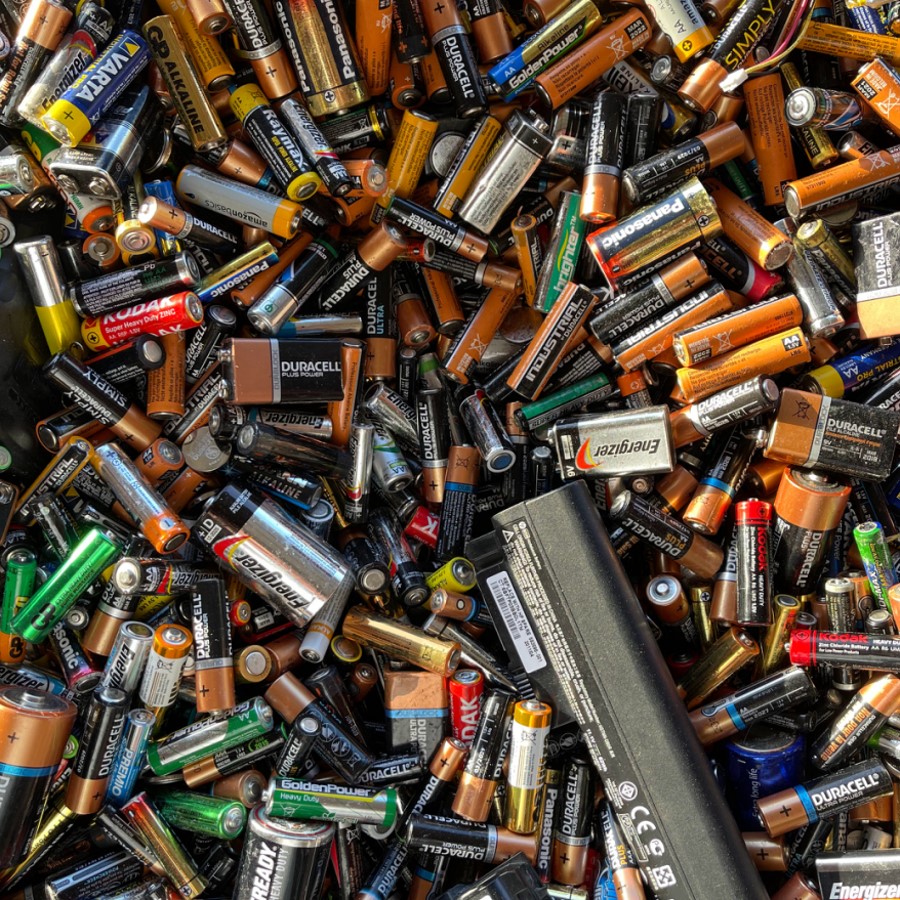
Lithium is one of the important metals recently. Every electronic device certainly uses lithium.
This because batteries that use lithium have a greater energy storage capacity. This allows electronic devices to be lighter and more space-saving.
Lithium is everywhere from smartphones to electric cars. Although there are also many experiments to find a replacement for lithium in batteries.
Its because the amount of lithium on Earth is still relatively limited, making it less sustainable. Some substitutes are salts, for example, but the drawback is in terms of energy storage capacity. Despite ongoing research, it is not impossible to increase energy storage capacity.
Lithium is a metal mined from the ground. First, locate a lithium-rich mining site, then extract lithium-rich rocks and crush them. After crushing, the process of purifying lithium concentration is carried out.
Second Largest In The World
In 2022, the US Geological Survey estimated that the world's lithium reserves are around 89 million tons, with mines scattered throughout the world.
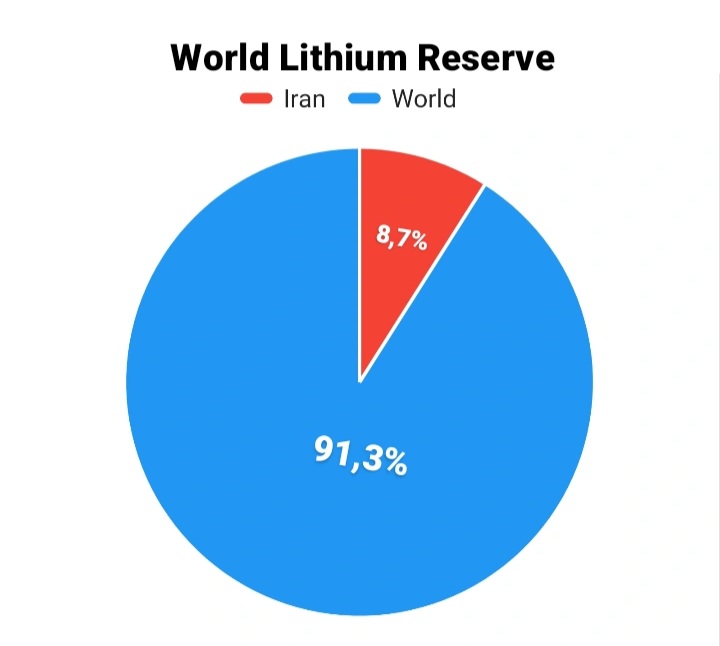
Recently, a lithium mine was discovered in Iran with an estimated 8.5 million tons of lithium. This is a significant amount, almost one-tenth of the world's lithium reserves.
However, the largest lithium reserves are still managed by countries in the American continent, namely Chile. Although lithium reserves have been found in Iran, they have not been able to displace Chile's position.
Meanwhile, the other largest lithium reserve is located in Australia, estimated at 6.2 million tons. Australia was once known to have the second-largest lithium reserve, but now its position has been replaced by Iran.
Although fantastic lithium reserves have been discovered, good management steps are needed to reap significant benefits. With the economic embargo imposed by Western countries, it seems that Iran will face many challenges to be resolved.

Will Make It Cheaper ?
With the discovery of lithium mines in Iran, this will definitely change the world's lithium reserves. The lithium reserves, which were previously estimated at 89 million tons, have now increased to 97.5 million tons.
The impact of this is on the future price of lithium. The more lithium reserves, the more affordable the price of lithium will be.
However, there are other factors that influence the price, such as the annual production planning of each lithium mining company. Companies may limit their annual production to maintain price stability.
In addition, due to Iran's conflict with the West, lithium will have a political aspect. Iran may increase lithium production to lower the global price of lithium.
However, the cost of production and breakeven point cannot be changed. The price of lithium may be higher because lithium producers rely on debt in current conditions where interest rates are relatively high.
EV Revolution
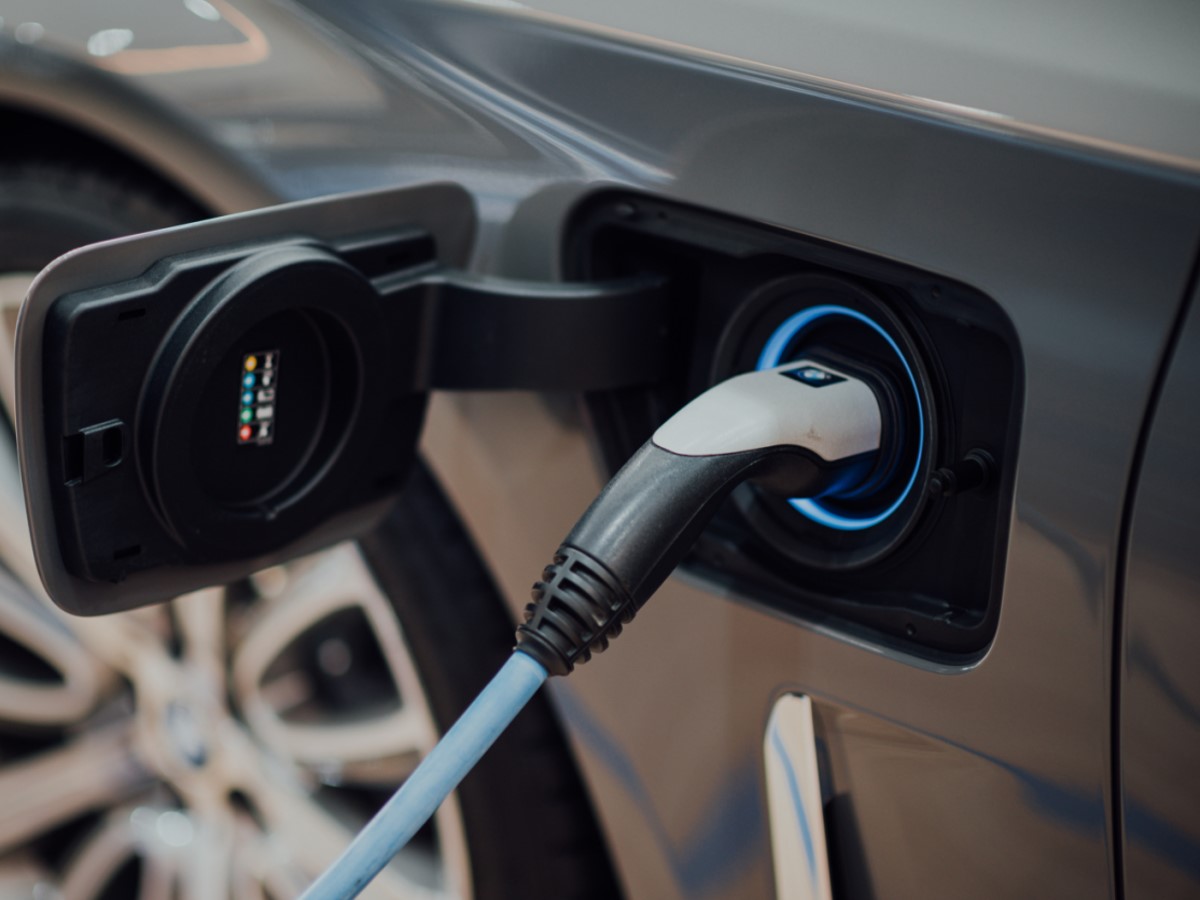
The reason why lithium is being eyed is due to the issue of transitioning to electric vehicles. Electric vehicles require lithium to be included in their batteries.
The advantages of lithium are its high energy density, making electric cars more space-efficient. Additionally, battery manufacturing is more time and energy-efficient.
Another advantage of lithium is faster battery charging with current technology. It also has a high cycle charging, meaning the battery life is longer, resulting in lower vehicle costs per year.
However, many companies are conducting experiments every day to find a replacement for lithium or maximize the use of lithium. Some lithium substitutes are sodium and iron.
Unlike lithium, sodium and iron are abundantly available on earth, so there is no need to worry about price stability and the competition for battery materials. Perhaps with future technology, we could obtain batteries with better features without using lithium.

Environmental Issues
The most important thing in every mining activity is the management and impact on the environment, especially when it comes to lithium which will be used to save the planet from the climate crisis.
Lithium mining must pay attention to excessive use of fresh water. If uncontaminated fresh water is used for the lithium extraction process, it can pollute the environment and have a significant impact.
In addition, the lithium purification process using sulfuric acid must also be closely monitored. If the waste from this process enters the ecosystem, it can cause ecological damage, the repair of which requires a higher cost than implementing sustainable mining and purification methods.
Usually, environmentally unfriendly lithium mining practices are carried out by developing countries and small companies because these countries do not yet have strict regulations regarding environmental impact.
Therefore, many companies in developed countries engage in battery recycling. This is because recycling batteries will reduce the negative impact of mining battery materials.