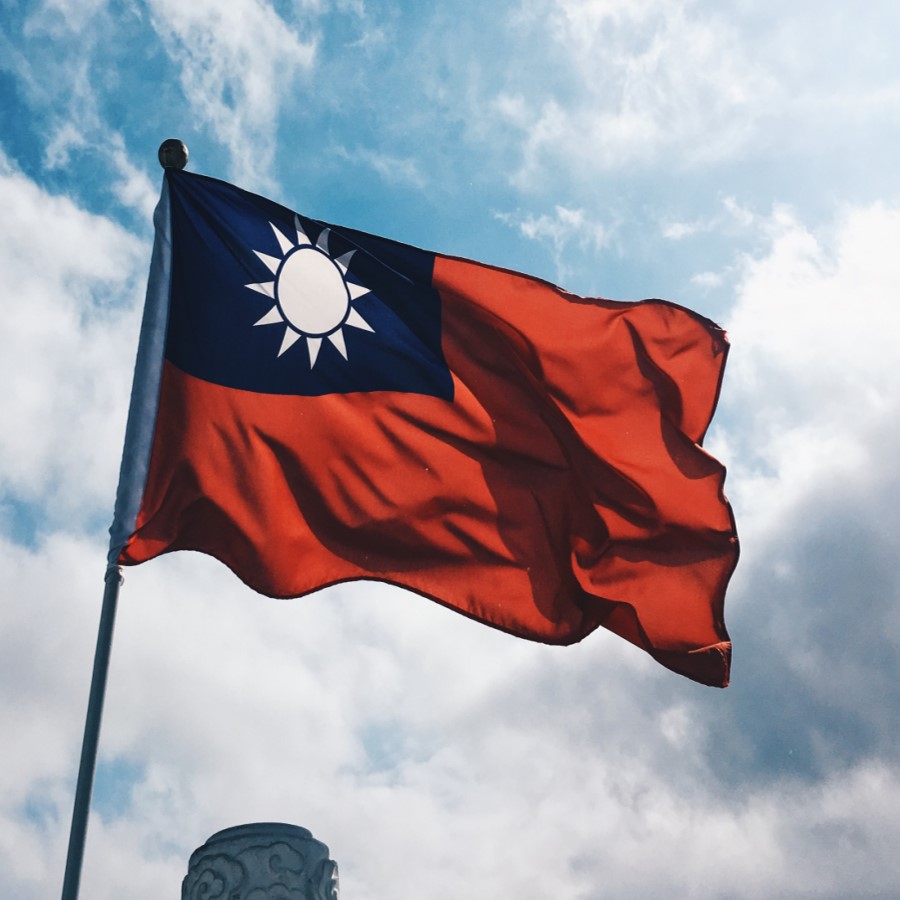
The Taiwan-China conflict has been heating up and has become a hot topic lately. Almost every time we read the news, this issue comes up.
This happened after China successfully took over Hong Kong as one country under China's government, despite massive demonstrations in Hong Kong during the process.
China claims that Hong Kong and Taiwan are part of its territory, based on China's history. Its based on Old Map depicting its territory according to their culture.
However, most people in Taiwan do not want to join China. Some do not like China's traditional culture and want to live with the values they have followed so far.
In terms of business, Taiwan is very strategic. Taiwan plays an important role in sustaining global technology by supplying semiconductors.
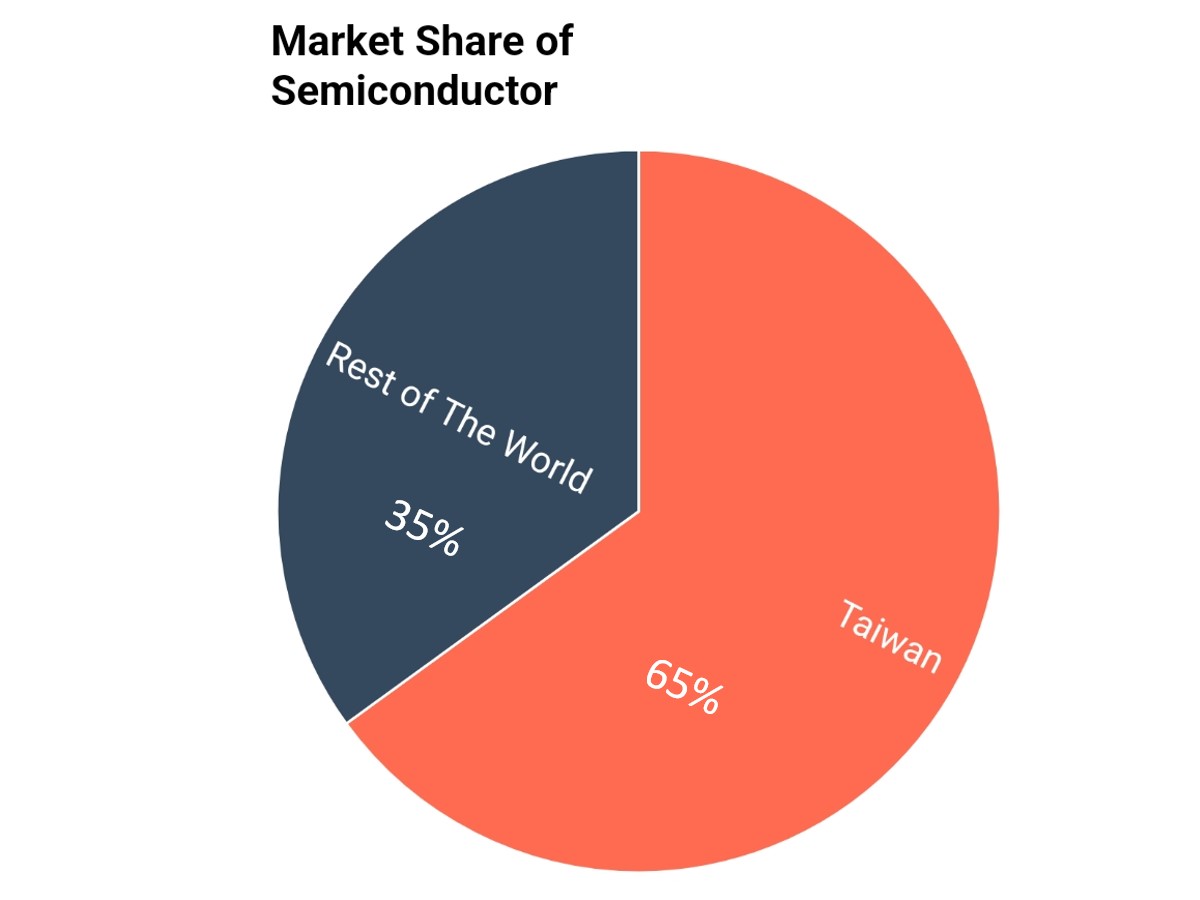
65% World Semiconductors
Semiconductors are the most essential component in technology. Almost every electronic device, including smartphones, requires semiconductors to function.
Semiconductors are the new oil. This is because the rapidly growing technology sector also requires a sufficient supply of semiconductors to meet the demands of technological advancement.
However, the majority of semiconductors in the world are produced in a small country called Taiwan. 65% of the world's semiconductor supply is produced there.
Semiconductors have a promising future, which has led many countries to want to produce semiconductors in their own countries. Establishing semiconductor factories can help boost the economy and provide employment opportunities because this is a highly profitable business.
Nevertheless, the dreams of countries other than Taiwan may be dashed because this industry is very competitive in terms of patents, making it difficult for new players to enter. Even if they can find new innovations, they may lose out in terms of production costs that established players have already patented.
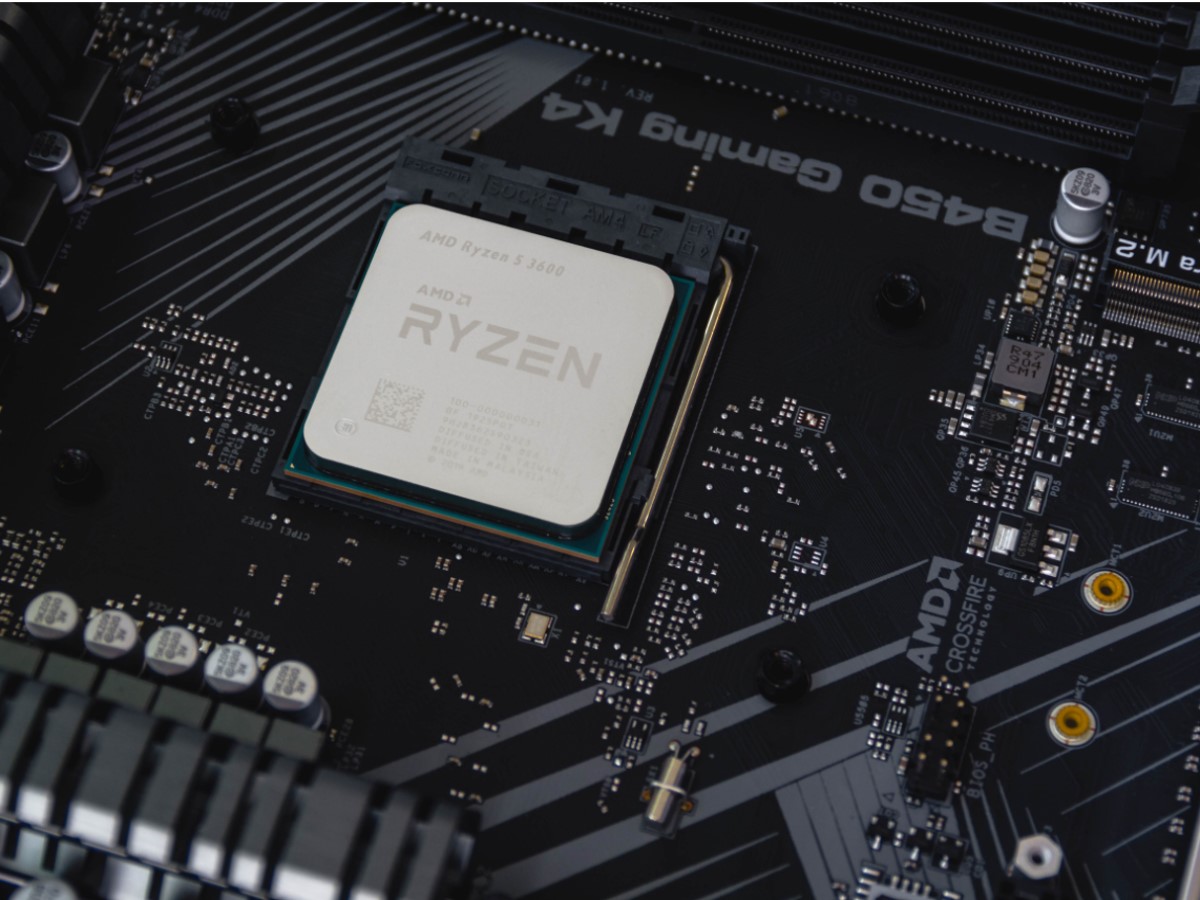
What Is Semikonduktor ?
Semiconductors are everywhere, from computer chips to simple electronic devices. With the advancement of technology, the demand for semiconductors continues to increase.
So, what are semiconductors? Semiconductors are materials that have electrical properties between those of conductors and insulators.
What are semiconductors used for? Unfortunately, semiconductors are the most important component that allows us to communicate, operate medical devices, and produce clean energy.
Furthermore, in the future, as transportation shifts to electric vehicles, semiconductors will be essential for their operation. The annual production of electric vehicles will depend on the amount of semiconductor production.
Semiconductors are divided into four types: memory chips, microprocessors, standard chips, and complex-system-on-a-chip. All four are required in electronic devices, especially as the world moves towards the digital era, which requires a lot of memory chips.
Warren Buffet Once Invested There
The allure of semiconductors has attracted investors from various backgrounds. Even top-tier investors like Warren Buffet have invested in this industry.
Through his company Berkshire Hathaway, Warren Buffet previously owned shares in the leading semiconductor manufacturer in Taiwan, which is Taiwan Semiconductor Manufacturing Company (TSMC).
Taiwan is the market leader in the semiconductor industry, while TSMC is the king in Taiwan. TSMC holds 55% of semiconductor engineering contracts, which is 55% of all engineering contracts in the world.
Berkshire Hathaway purchased TSMC shares in the third quarter of 2022 for a value of 4 billion US dollars. Buffet made this investment because he likes to invest in companies that have a competitive advantage.
However, not long after, in the first quarter of 2023, Buffet sold all his shares in TSMC. Many people questioned his decision, and news emerged that the United States was suing TSMC for engaging in unhealthy monopolistic practices.
China Wanna Takeover
Taiwan's strategic position in the global semiconductor supply chain has made it a prime target for China's ambition to dominate the industry.
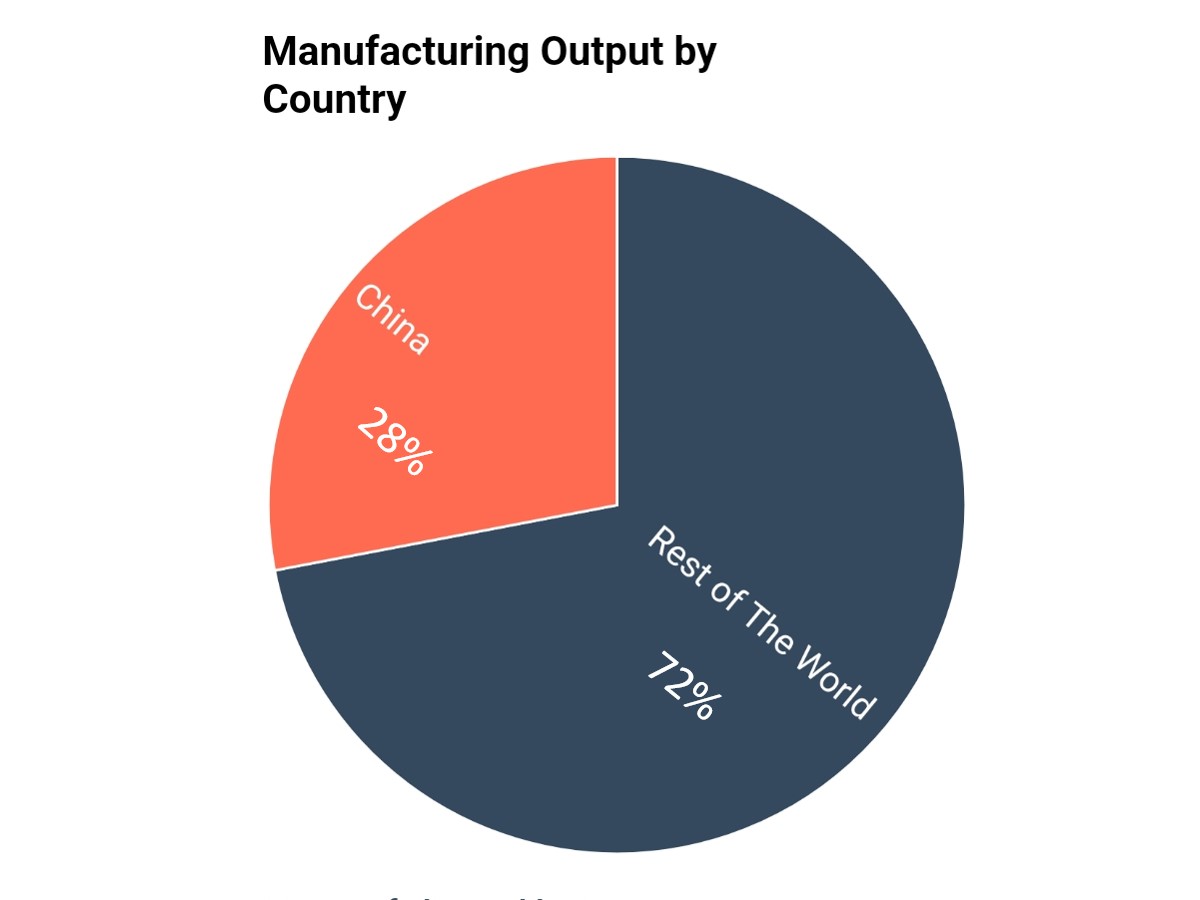
China currently accounts for 28% of the world's manufacturing output and this figure could continue to grow as long as China maintains its competitive advantage.
The semiconductor industry is particularly challenging and difficult for new players to enter. For China, acquiring Taiwan would be a shortcut to gaining control over this crucial industry.
Historically, Taiwan was part of China during the Qing Dynasty and was later occupied by Japan. In 1949, a conflict between the Republic of China (ROC) government and the Communist Party of China led to the ROC establishing a new government in Taiwan.
Taiwan's success as a major player in the semiconductor industry is due in part to the government's management of the business ecosystem and human resources, which has led to innovation and advancement in the industry.