JP Morgan is a legendary bank in the United States. The bank has survived and remained a top player for more than 2 centuries.
JP Morgan once funded one of the most important scientists in history, Nikola Tesla. Various projects of Nikola Tesla were able to be achieved because of JP Morgan's funding.
Today, JP Morgan is known as JP Morgan Chase & Co after JP Morgan merged with Chase Manhattan, further strengthening their position.
JP Morgan serves more than 65 million customers with a wide range of products, from lending services to asset management.
However, recently, the public has been buzzing about cryptocurrencies. But, can the existence of cryptocurrencies threaten JP Morgan Chase & Co by causing its customers to switch?

Daily Transaction
The goodness of a bank can be seen from the size of its daily transactions. This is because the more daily transactions a bank processes, the more capacity it has to satisfy its customers.
JP Morgan Chase & Co serves customers in 170 countries and processes transactions of up to 10 trillion US dollars per day. Some transactions even cross national borders.
Meanwhile, the largest cryptocurrency or blockchain, Ethereum, records daily transactions of up to 1 million. This number is already significant considering the youth of this financial service. The value of 1 million daily transactions cannot be determined precisely since the amount of each transaction fluctuates, as well as the fluctuating price of Ethereum.
However, when comparing Ethereum to JP Morgan Chase & Co, JP Morgan has the advantage of having served more customers. In addition, JP Morgan's customers have more wealth than those who transact on the blockchain, so it is reasonable for daily transactions to reach 10 trillion US dollars.
Blockchain itself has banking services similar to conventional banks. However, there is no blockchain that provides financial services as comprehensive as JP Morgan Chase & Co.
Database Budget
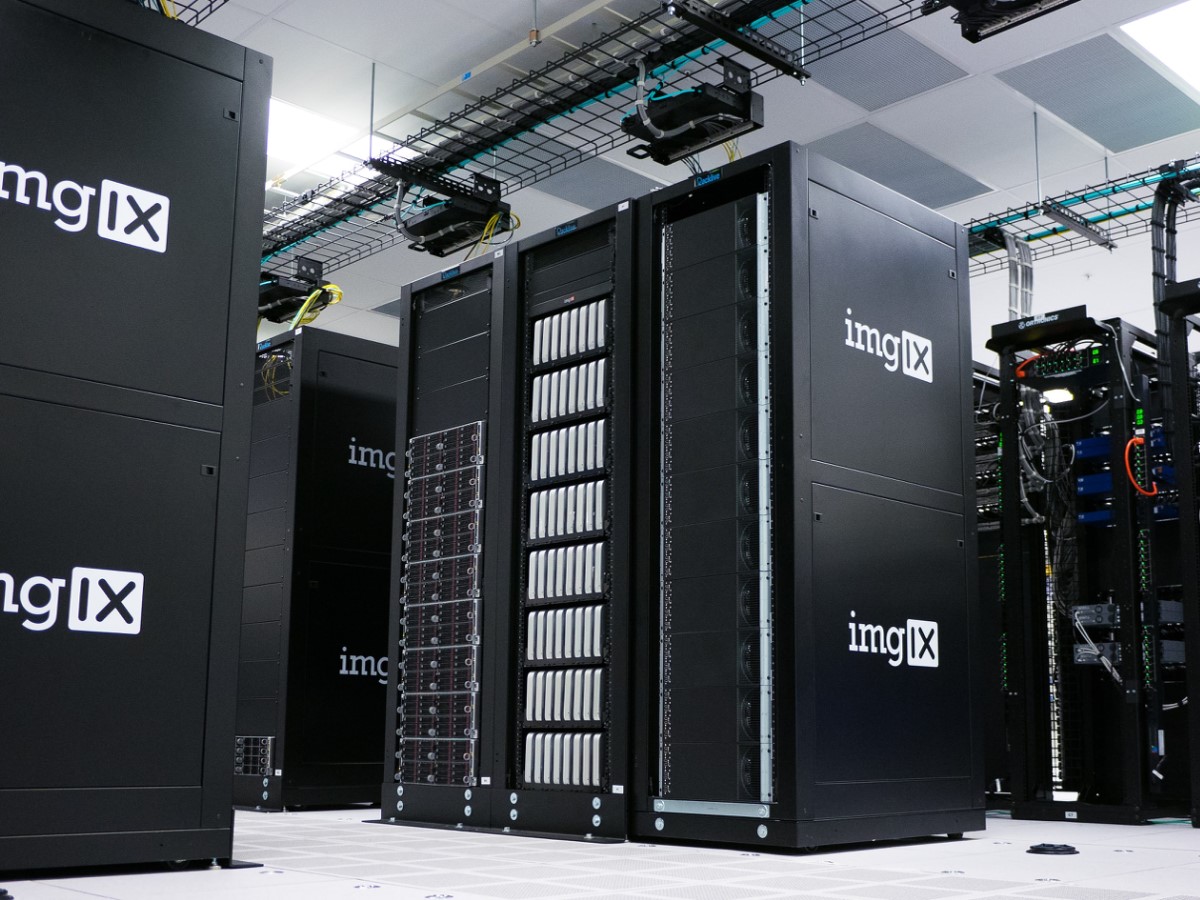
Banking is an industry that heavily relies on financial records. Therefore, databases must be organized and managed very well to minimize errors and record large transactions accurately.
JP Morgan Chase & Co's budget for technology that includes databases is 12 billion US dollars per year. This figure is very high and reflects the bank's seriousness in serving its customers.
On the other hand, there is no clear fee for transactions on the Ethereum blockchain, but there is a term called gas fee that will be paid to the computer that validates and stores the transaction.
Gas fees on the blockchain decrease every year, but this does not mean that their value decreases. The decrease in gas fees is also due to the increase in the price of cryptocurrencies.
Meanwhile, gas fees for each blockchain are different, and each blockchain competes to provide cheap and good services. However, the advantage of the blockchain is that those who invest in crypto farming need to invest because of decentralization.

Speed of Transfer
The most important thing in banking services is the speed of fund transfers from one account to another. How quickly this happens affects the business as a whole.
For example, in a supply chain business, goods will not be shipped until funds are received in the account. The faster the fund transfer, the more sales a company can generate.
The speed of JP Morgan Chase & Co's fund transfer depends on the amount of funds being transferred. Small amounts can be processed in seconds, while very large amounts can take up to 3 days but usually happen more quickly.
What makes blockchain transactions faster is that less information is processed compared to the banking system. Banks transfer funds very carefully, especially for processing very large amounts.

Security and Safety
One important aspect for financial services is security. No matter how much profit a company makes each year, security is crucial because it concerns the interests of consumers.
JP Morgan Chase & Co spends $600 million per year to maintain user security. Additionally, last year they spent $12 billion on upgrading their security systems.
This high budget is necessary because centralized financial systems must be tightly guarded to prevent funds from being stolen. Even if someone manages to hack into the system, the flow of the money can be traced so that the criminals can be caught and the funds can be secured.
On the other hand, for the very traditional blockchain, the majority of its security is maintained because it is difficult to manipulate a decentralized system. However, because many platforms that provide crypto services operate in a centralized manner, you need to be careful when choosing your platform.
For example, yesterday, after FTX went bankrupt, funds were stolen from the Crypto Exchange platform. This is because although blockchain is decentralized, many platforms that provide financial services on top of it are still centralized.