
Today's world is very dynamic. Having static long-term commitments will be very risky if not managed very carefully.
In the past few years, who would have thought that a pandemic would come. No one expected that the economy would stall because of a virus.
Not to mention the policies of the US Federal Reserve, which most people cannot predict. During the pandemic, they printed a lot of money, which caused inflation.
Afterward, the US Federal Reserve raised interest rates, followed by various countries around the world. The impact of this policy is varied and too numerous to explain.
But one thing for sure is that it affects companies' access to capital and the well-being of investors who hold bonds or debt securities.

What Bond Really Is ?
Bonds or debt securities are documents issued by an organization to raise funds by offering investors a fixed interest rate paid at regular intervals.
The difference between bonds and regular debt is that bonds can be traded. However, this also depends on the quality of the bond, which is usually determined by the organization that issues the bond.
The advantage is that if you lend money to a friend for two years, you will have difficulty obtaining liquidity if you need it. You have to wait two years to get your money back.
Because bonds can be traded, you can get liquidity when you need money. Such as during a crisis, where you have to liquidate your assets to pay employee salaries.
The value of bonds themselves fluctuates greatly. A bond may be worth less now, but if you sell it in a few years, you will make a profit.

Longer Maturity Date
One thing to consider when buying bonds is the maturity date. The maturity date is the deadline by which the entire loan and interest must be paid to the bondholder.
A long maturity date can make you less flexible. A 30-year bond means you have to wait 30 years to get all your money back, while a 2-year bond means you only have to wait 2 years, regardless of how much money you put in at the time.
Although investing a large amount of money in a company through long-term bonds may seem like a good idea, short-term bonds offer lower risks. If a crisis occurs suddenly, you will get your entire investment back more quickly.
Reducing the amount of long-term bonds is a good decision because it will reduce your risk. However, you will need to work more dynamically because you will have to make decisions constantly in the short term.
Central Bank's Uncertainity
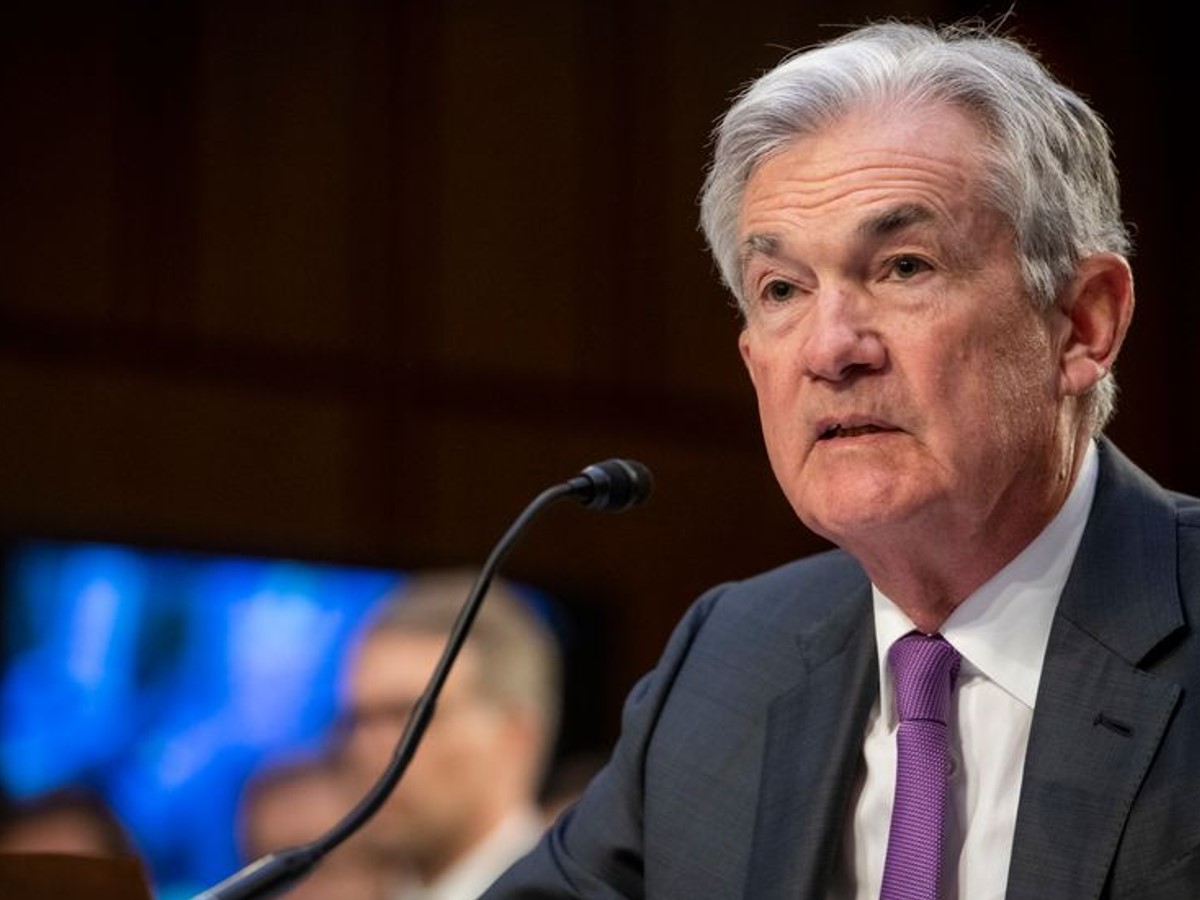
One of the reasons, but the most important, why you should minimize long-term bonds in your portfolio is due to central bank policy.
Long-term bonds are typically issued when the central bank has low interest rates. When interest rates are high, many short-term bonds are issued.
Changes in central bank policy determine your losses or gains. When the central bank raises interest rates and you hold a large nominal amount in long-term bonds with low interest rates, you are in danger.
If the assets you manage belong to you personally, the risk is smaller. However, if a company like a bank experiences this, it becomes a problem when customers withdraw their money massively and you need liquidity.
As is the case now, low-yield bonds are worth little when sold. Many companies experience unrealized losses on their balance sheets. When you need liquidity, those unrealized losses become real losses.

Liquidity Dissaster, Somtimes
People convert their cash into bonds due to various advantages. One of them is that they can obtain liquidity when they need money by selling bonds.
Long-term bonds mostly have low interest rates. This is risky when you need liquidity while the central bank raises interest rates.
You are forced to experience losses when you need liquidity. Therefore, diversifying the types of bonds in your portfolio is very important.
Putting $100 million in one asset with a 10% risk is not better than putting $100 million in 25 assets with risks ranging from 4 to 6 percent. In the end, diversification will place your risk lower.
The dynamic pace of the world today requires us to manage risks. Nobody knows when a crisis will strike, and waiting a long time to get all your money back on long-term bonds is sometimes not a good option.