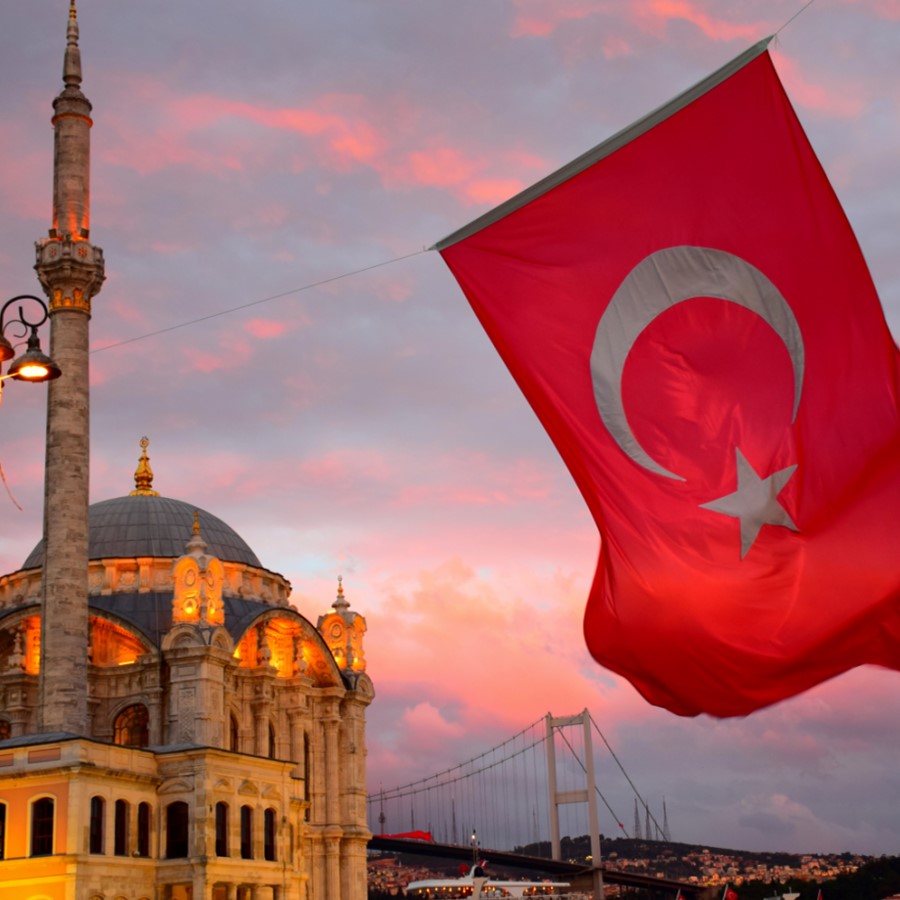
Inflation is everyone's fear. No wonder, inflation makes us get less goods with the same amount of money. Turkey's inflation itself is the worst in Europe, reaching more than 60%.
But apparently, inflation is not that simple. For example, how Turkey took advantage when its country was hit by a financial storm that caused its currency to experience high inflation.
The general theory is that inflation will make a country weaker and economic movements will be hampered. The weakening of the exchange rate will certainly make everything expensive.
But what if your country can produce various products domestically so that the need for imported products is less? If the inflation that occurs is the weakening of the currency against other currencies but the domestic exchange rate does not significantly weaken, then a country is not too disadvantaged, especially if the domestic industry can be built and productive.
Turkey itself does not experience too much trade deficit in its balance of trade, even once having a surplus. This means that the domestic industry can meet most of the domestic needs.
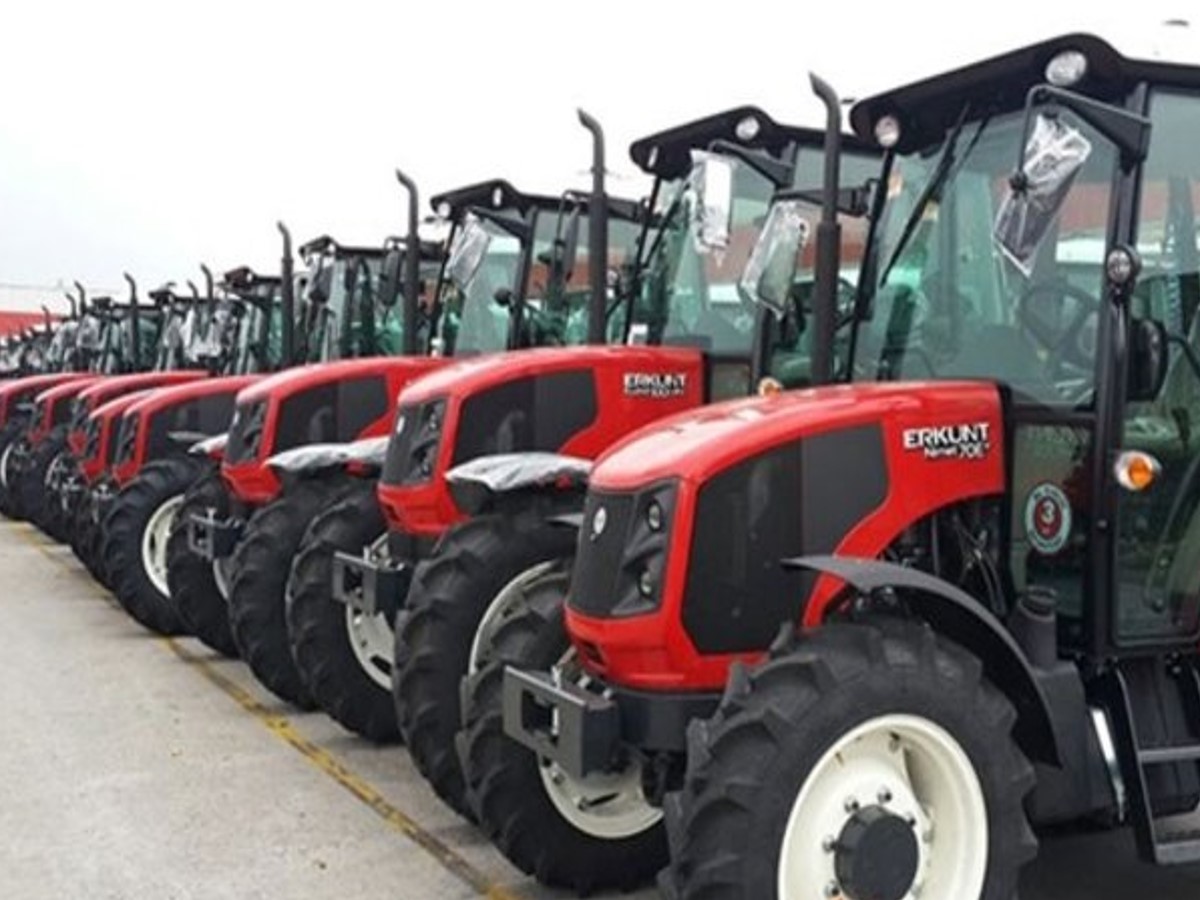
Domestic Product Say Thanks
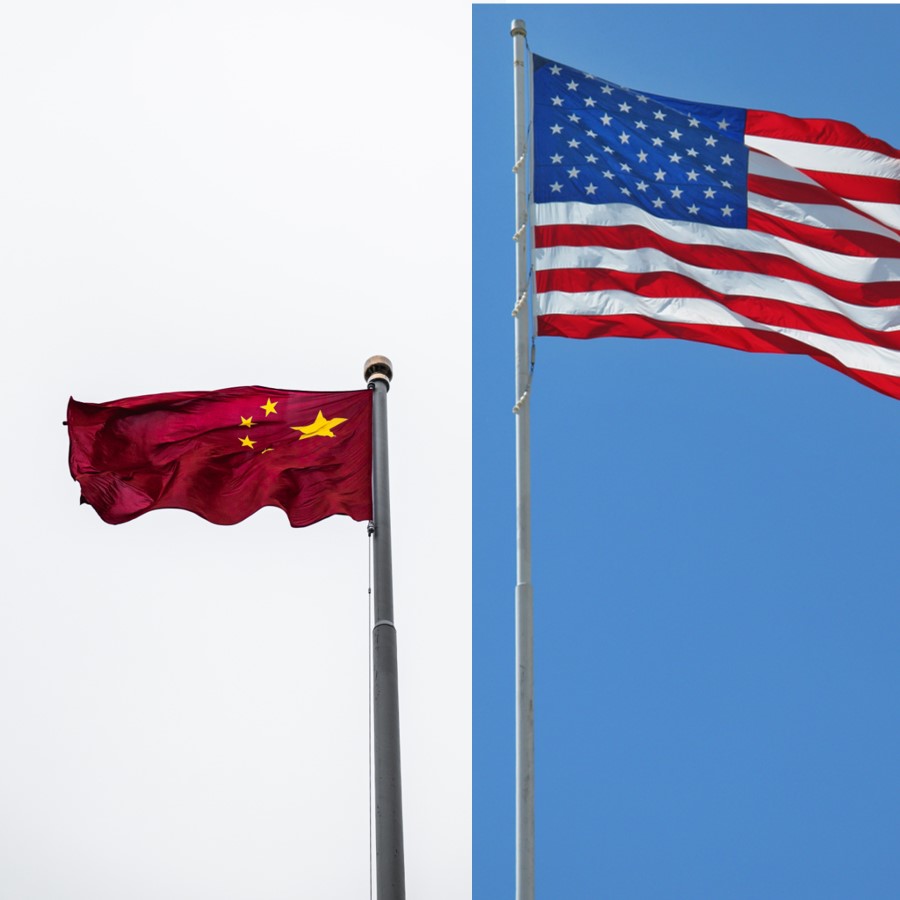
One of the consequences of currency depreciation is that domestically produced goods become cheaper. This is because importing goods from abroad requires buyers to spend more money. For example, if a product is valued at 100 Yuan but 1 Yuan is 10% more expensive than the exchange rate for Lira in the previous year, buyers will spend an extra 10% of Lira for the currency exchange.
The cheaper domestic products not only benefit domestic consumers, but also boost export power. Turkish-made products tend to be attractive to buyers because they spend less money in currency exchange.
Moreover, if various production materials can be fulfilled domestically, it will make production costs more competitive. Turkey's exports are mainly contributed by machinery and transportation equipment, in which Turkey is also a producer of metals. In addition, Turkey imports scrap metal for recycling, which can further reduce the production cost of products.
Furthermore, the country also produces its own fertilizer. So even though the currency is weak, the supply of food needs can still be fulfilled since most of the production costs for agricultural products come from fertilizer. If the country can be self-sufficient in fertilizer production, it will benefit during financial crises.
Turkey even remains consistent in contributing to agricultural and plantation products. It is among the top 10 agricultural exporters in the world. Its exports vary from olive oil to hazelnuts.
Trade Volumes Boom
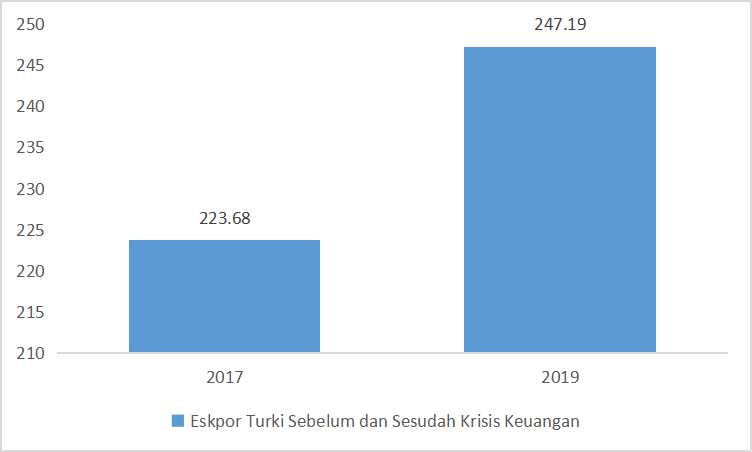
The financial crisis in Turkey began in 2018. However, surprisingly, it brought blessings to the country that connects Asia with Europe. Turkey's exports in 2019 increased in dollar valuation compared to 2017, as inflation caused the volume of trade in 2019 to be several times higher for every 1 million dollars compared to 2017 due to the weakening of the currency against the US dollar.
In 2019, Turkey experienced a trade surplus. The country's exports reached USD 247.19 billion, while imports only amounted to USD 229 billion. This significant trade surplus is also due to the country's more competitive domestic products.
However, in 2020, Turkey experienced a setback in export value. This was due to the global market's decreasing demand caused by the COVID-19 pandemic.
But the storm will pass. After Turkey only recorded exports of nearly USD 170 billion in 2020, the country started to recover in 2022. In that year, Turkey recorded exports worth USD 254 billion, even though it was hit by a financial crisis that should have made the country's economic weakness and funding more difficult to obtain.
Stock Party Rally
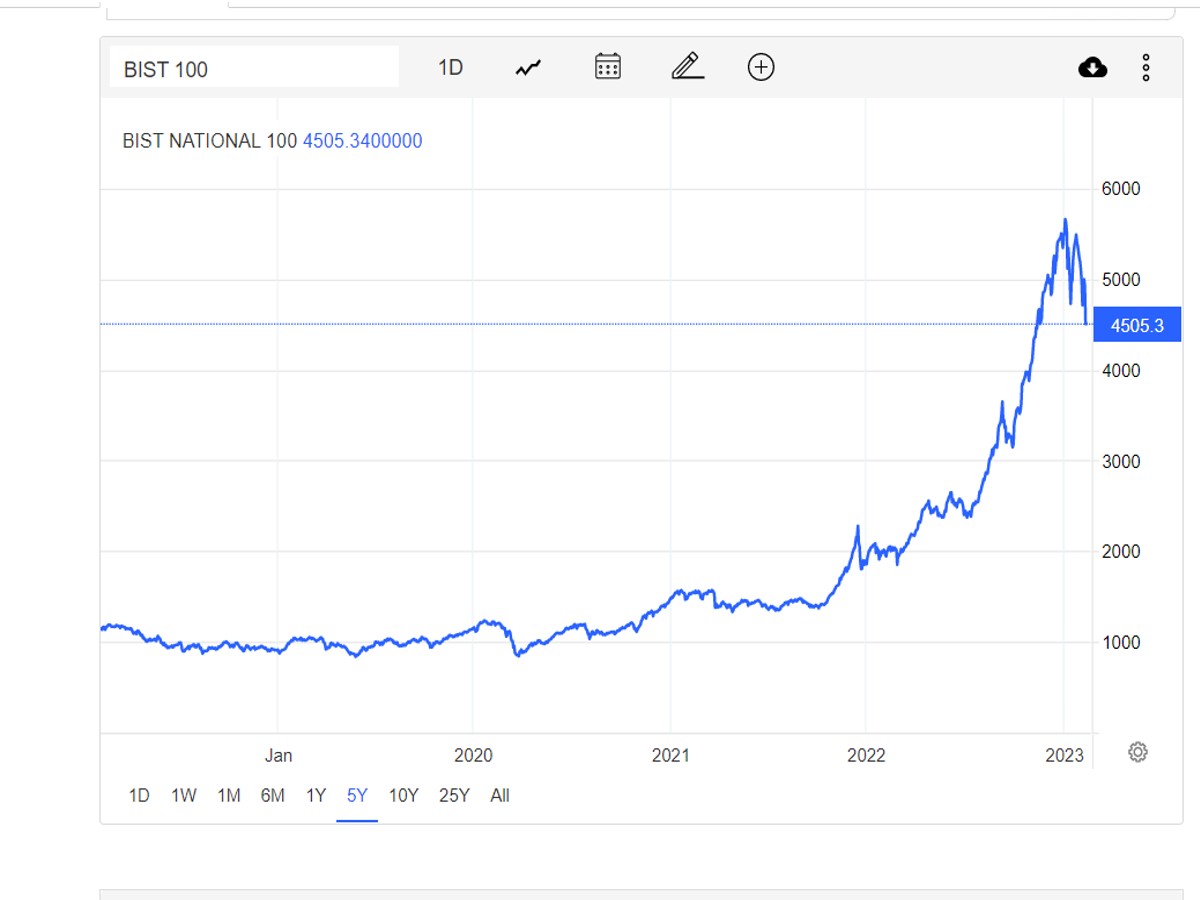
The Turkish stock market has tended to not fall significantly since the financial crisis hit in 2018. Even in 2020 when Covid-19 struck, the composite stock index did not experience a severe decline. The biggest decline in 2020 did not touch the all-time high in 2016.
The peak of the rise in Turkish stocks occurred in 2021. Since then, the composite stock index has continued to rise until the end of 2022.
One of the companies that benefited from this is Cimbeton. Cimbeton experienced a significant increase in 2021 compared to 2020. At the beginning of 2020, the stock was only opened below 50 lira, while in 2021 the all-time low only touched 200 lira, a return on investment of 400%.
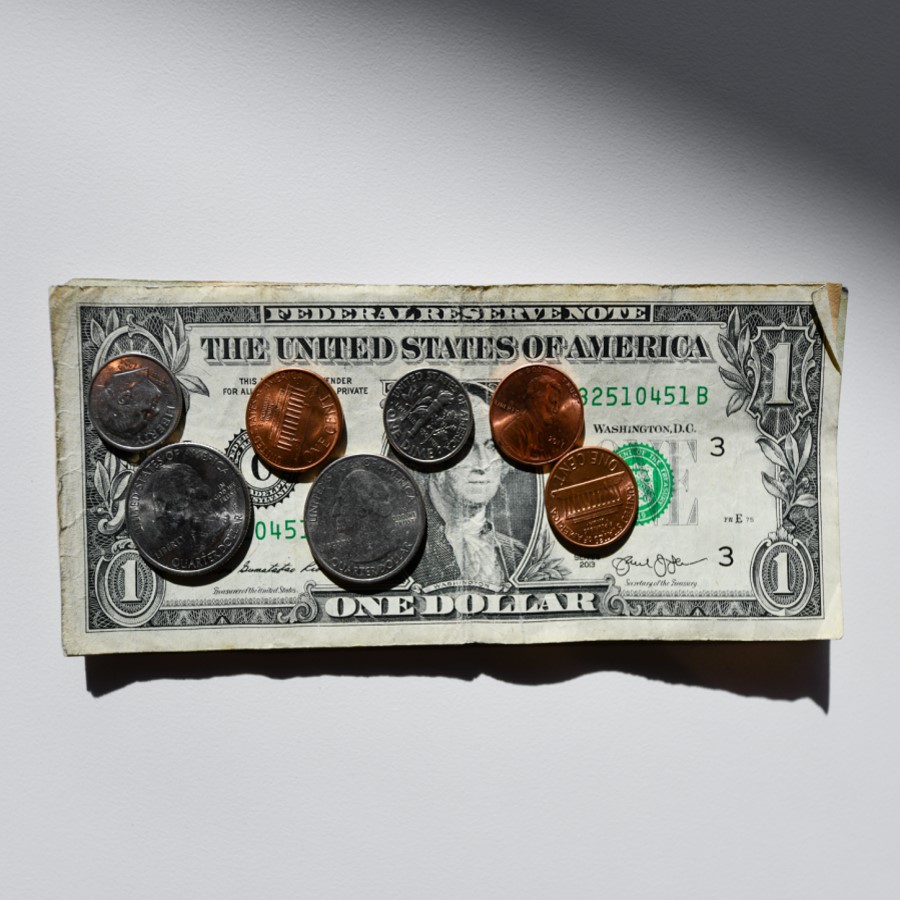
Nevertheless, investing in a country experiencing a financial crisis must be cautious. In addition to the return on investment that needs to be considered, the extent of currency depreciation must also be taken into account. Because if you experience a 100% return on investment in 6 months but the currency devalues by 60%, then the value you generate when you bring your money back to Indonesia is only 40%. Although this amount is high, a country experiencing a financial crisis has special risks that need to be considered.

Tourism Say We Are Coming and Happy
Turkey is a country rich in culture. For thousands of years, it has been inhabited by various civilizations.
Some of the most popular civilizations in Turkey are the Ottoman and Eastern Christian or Constantinople civilizations. For example, during the Constantinople period, the country produced various amazing art products, one of which is the Hagia Sophia.
The emergence of Islamic civilization in Turkey also attracts tourists from various countries. Several Islamic arts and historical museums attract foreign tourists. Additionally, archaeological evidence also proves that the oldest civilization on earth is located in this country called Gobekli Tepe.
Due to inflation, tourists can spend less money. With 1 USD valued at 18.8 lira, you will automatically get more holiday experiences if you exchange your money for lira rather than going to other countries.